Does My Dog Need an MRI After A Seizure?
Does My Dog Really Need an MRI After a Seizure?

Veterinary Outpatient MRI
If your dog has had a seizure, you’ve probably heard this at some point:
“We may need to do an MRI.”
That can feel overwhelming, both emotionally and financially.
So the real question most pet owners are asking is:
Is an MRI really necessary right now?
The answer depends on what’s already been done—and what step comes next.
Step 1: Start With Bloodwork
After a seizure, veterinarians almost always begin with bloodwork.
This helps rule out causes outside the brain, such as:
- Low blood sugar
- Toxin exposure
- Liver or kidney disease
- Metabolic imbalances
If something abnormal shows up, treatment can begin right away.
But What If Bloodwork Is Normal?
This is where things often become unclear.
Normal bloodwork means the cause of the seizure is not coming from the rest of the body.
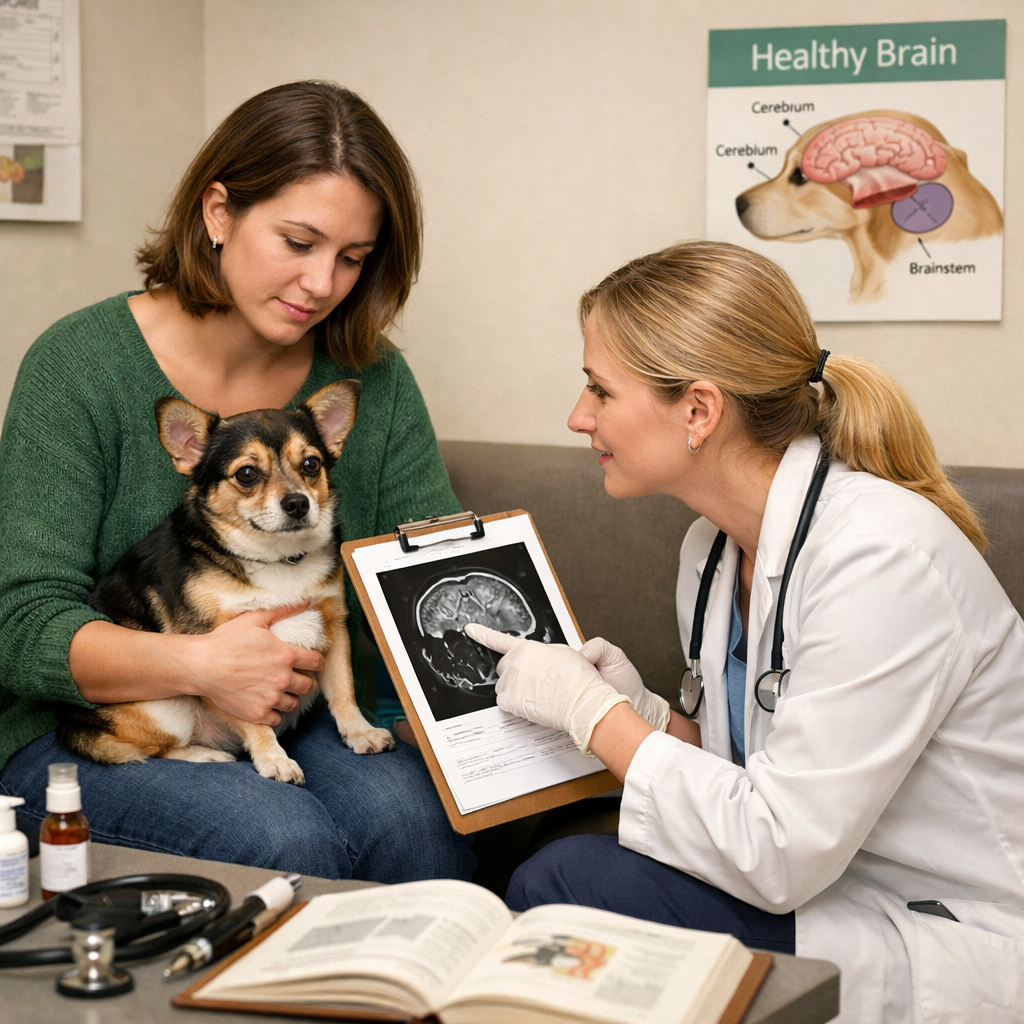
However, it does not explain what’s happening inside the brain.
The Most Important Next Step: A Neurological Exam
Before jumping straight to an MRI, there’s a critical step that helps guide the decision:
A comprehensive neurological exam.
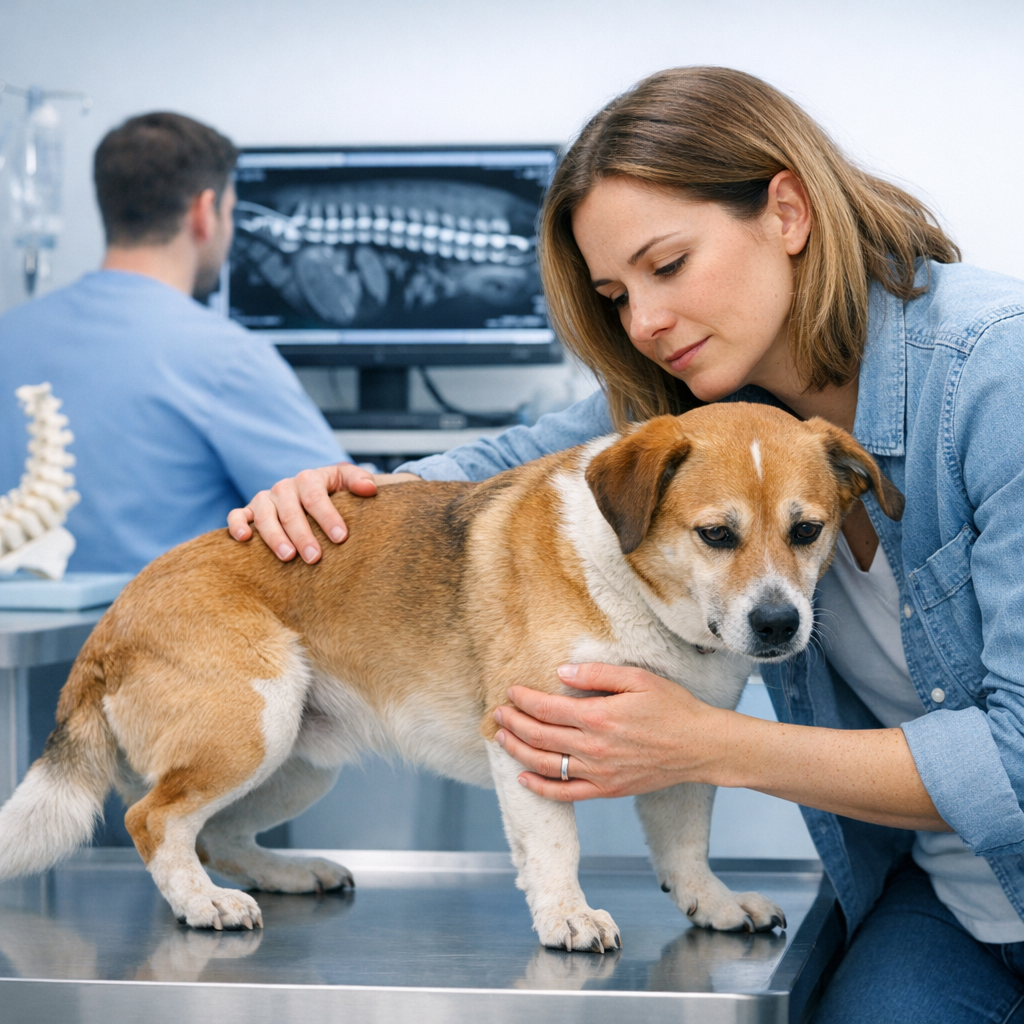
This exam evaluates how your dog’s brain and nervous system are functioning.
It looks at:
- Balance and coordination
- Reflexes
- Cranial nerve function
- Subtle signs of brain or spinal disease
What the Neurological Exam Tells Us
If the exam is normal:
Many dogs may have idiopathic epilepsy, which can often be managed with medication.
If the exam is abnormal:
There is a higher likelihood of an underlying brain condition, such as:
- Inflammation (like meningitis)
- A structural issue
- A mass or tumor
In these cases, an MRI is usually the next step.
When an MRI Is Recommended (Even With a Normal Exam)
Even if your dog appears normal between seizures, an MRI may still be recommended in certain situations:
- Seizures start before 6 months or after 6 years of age
- Seizures are happening in clusters
- Only part of the body is affected (focal seizures)
- Seizures are becoming more frequent or severe
- Medication is not working as expected
These patterns can suggest something more than typical epilepsy.
Why Not Just Skip Straight to MRI?
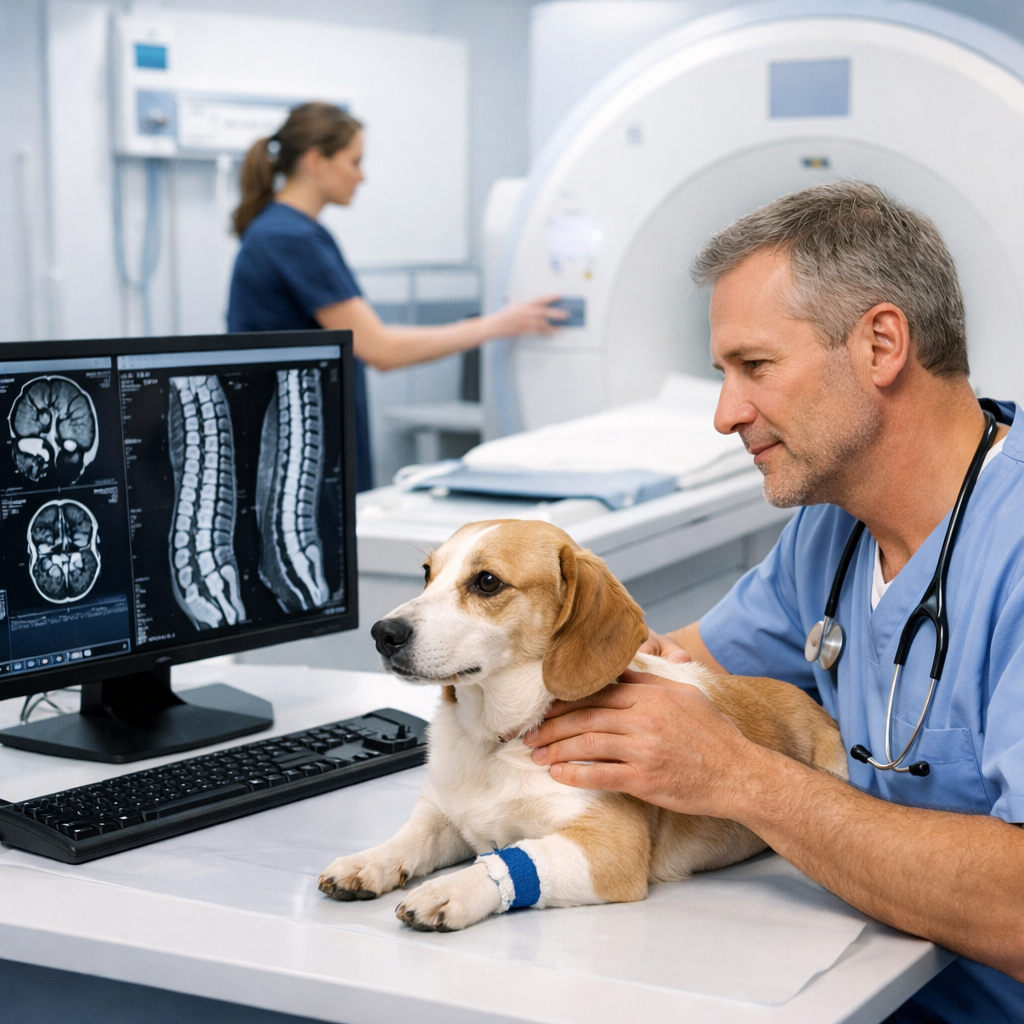
MRI is the most advanced tool we have for looking at the brain, but it’s not always the first step.
A neurological exam helps:
- Determine if MRI is truly needed
- Identify what area should be scanned
- Avoid unnecessary cost and testing
It brings clarity before committing to advanced imaging.
A More Thoughtful Approach
A structured process leads to better decisions:
- Bloodwork
- Neurological exam
- MRI (when indicated)
This approach follows widely accepted veterinary guidelines and helps ensure your dog gets the right care at the right time.
Getting Clear Answers
At Veterinary Outpatient MRI – Seizure & Spine Diagnostic Center, we focus on helping pet owners understand what’s actually needed.
A comprehensive neurological exam is complimentary when an MRI is performed.
If an MRI is not indicated, the exam can be done as a standalone for $125.
This allows you to move forward with confidence, without unnecessary guesswork.
The Bottom Line
Not every dog with a seizure needs an MRI right away.
But every dog needs a clear evaluation of what’s happening and what to do next.
That’s exactly what a neurological exam provides.
Next Step: Get Clarity
If your dog has had a seizure and bloodwork is normal:
Call to discuss your dog’s case
Schedule a neurological exam
You’ll get a clear plan and the peace of mind that you’re making the right decision.
Veterinary Outpatient MRI
Seizure & Spine Diagnostic Center
Clear Answers. Thoughtful Diagnosis. Better Outcomes.